Muscle pain during menopause: causes, symptoms and help with massage
There are a whopping 650 different muscles that move us humans through everyday life in an incredible way. The bad news is that pain can potentially affect anyone during menopause. The fact that hormonal changes not only influence mood but also have many other consequences is often overlooked when it comes to this topic. The effects extend to changes in muscle tension, which is why the topic plays a central role in our well-being in everyday life. In this article we will focus on the common muscle problems that affect women in this phase of life. Not only will we...

There are a whopping 650 different muscles that move us humans through everyday life in an incredible way. The bad news is that pain can potentially affect anyone during menopause. The fact that hormonal changes not only influence mood but also have many other consequences is often overlooked when it comes to this topic. The effects extend to changes in muscle tension, which is why the topic plays a central role in our well-being in everyday life.
In this article we will focus on the common muscle problems that affect women in this phase of life. Not only will we find out what the causes and symptoms are, but also how massage can help relieve muscle pain during menopause.
Last but not least, we would also like to raise awareness of when medical advice should definitely be sought in order to take the right measures for a healthy and vital life. We would like to point out that this article does not replace medical advice and that individual treatment by specialists is always recommended.
Reading tip: You can find out more about the diverse effects of massages in our article “From head to toe: massages can help here“.
Causes of muscle pain during menopause
Menopause marks a significant transition in a woman's life, marked by the end of the fertility phase. During this time, the body experiences numerous hormonal changes that can have far-reaching effects.
Menopause typically begins between the ages of 45 and 55, but symptoms and symptoms can become noticeable earlier. The most common include hot flashes, sleep disorders and mood swings.
Many women also report that they Muscle and joint pain all over the body during menopause feel. They describe them as pulling, stabbing or cramp-like sensations. This pain is not only due to the natural aging of muscles and tissues. What is more important is the hormonal change and the change in estrogen levels.
How estrogen deficiency can lead to sore muscles
Estrogen, a hormone produced in higher quantities during the fertile years, plays a crucial role in bone and muscle health. With the onset of menopause, the production of estrogen decreases, which leads to a number of changes in the body. One of the more unpleasant symptoms is muscle pain, which is often accompanied by stiffness and discomfort.
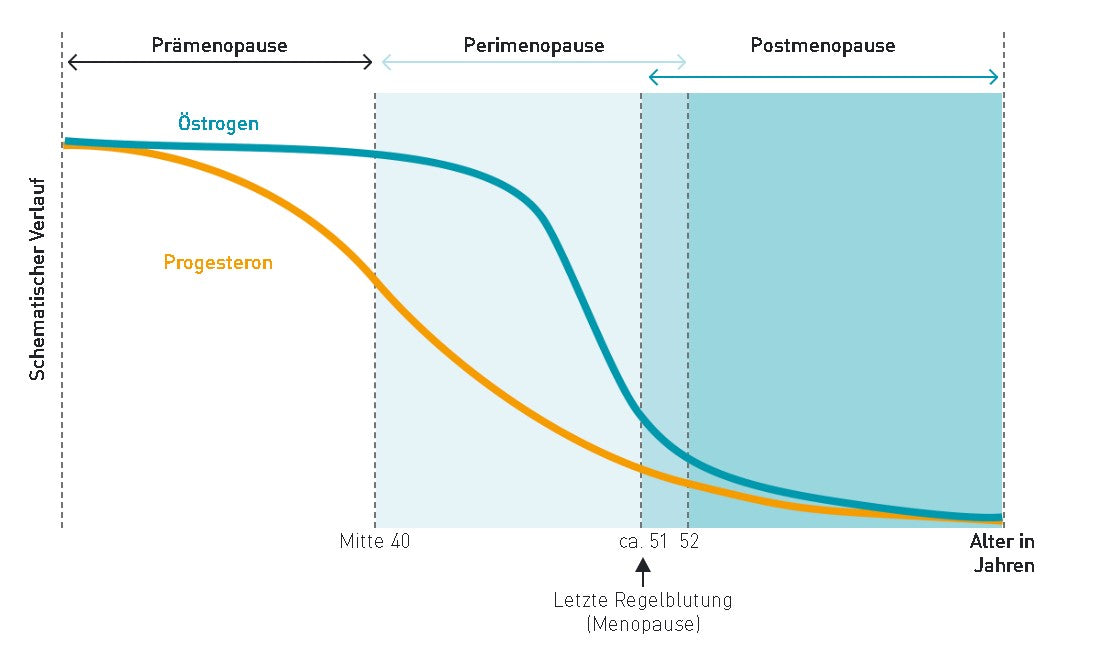
The lack of estrogen affects the function and maintenance of muscle mass and strength. This is exactly what makes muscles more susceptible to injury and pain. In addition, joints are also put under greater strain due to the reduced protection of reduced estrogen, which can promote problems such as osteoarthritis and arthritis.
Reading tip: You can find out more about the disease osteoarthritis and how massages can relieve the pain it causes in our Contribution to osteoarthritis pain.
In addition, diseases such as rheumatism, fibromyalgia and osteoporosis, which occur more frequently in this phase of life, can contribute to muscle pain. These conditions can be further exacerbated by a mineral deficiency.
A sufficient supply of minerals such as calcium and magnesium for bone and muscle health is therefore another important factor in the prevention of muscle and joint problems during menopause.
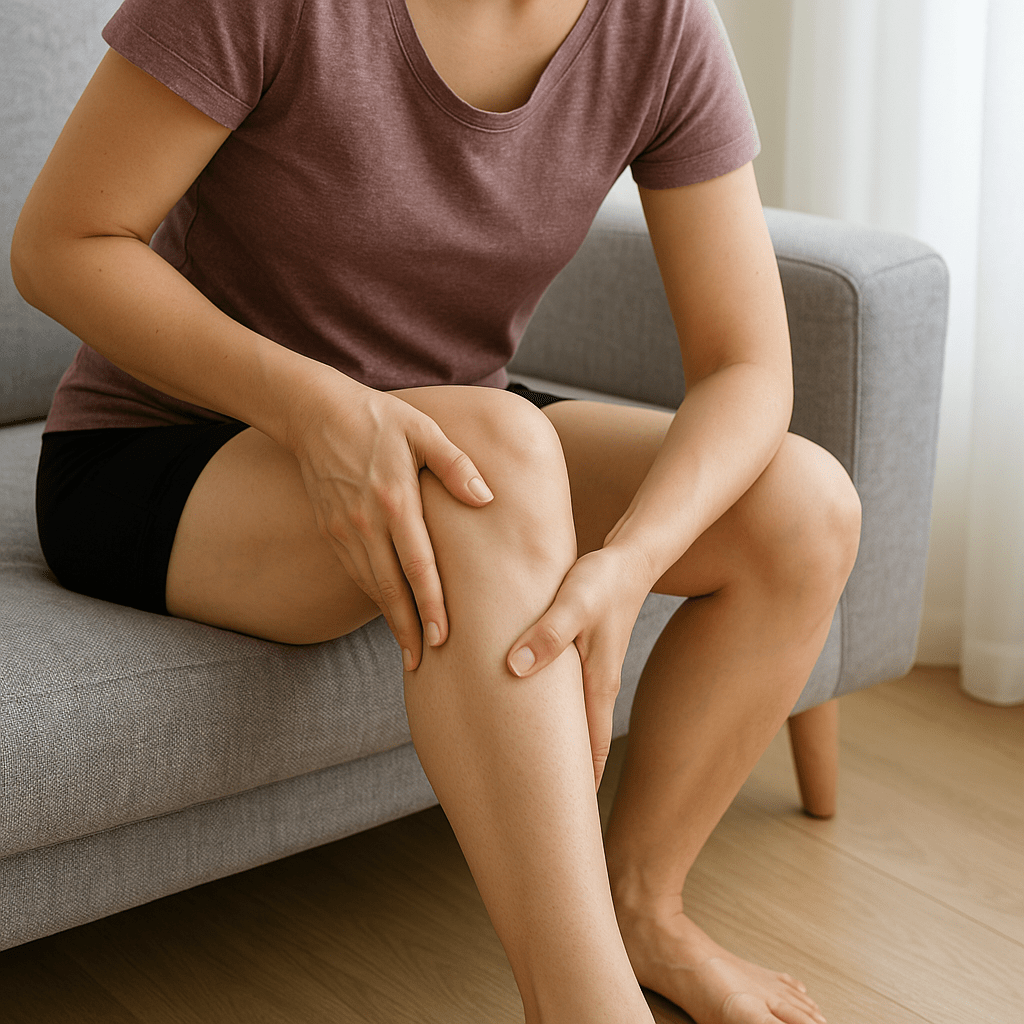
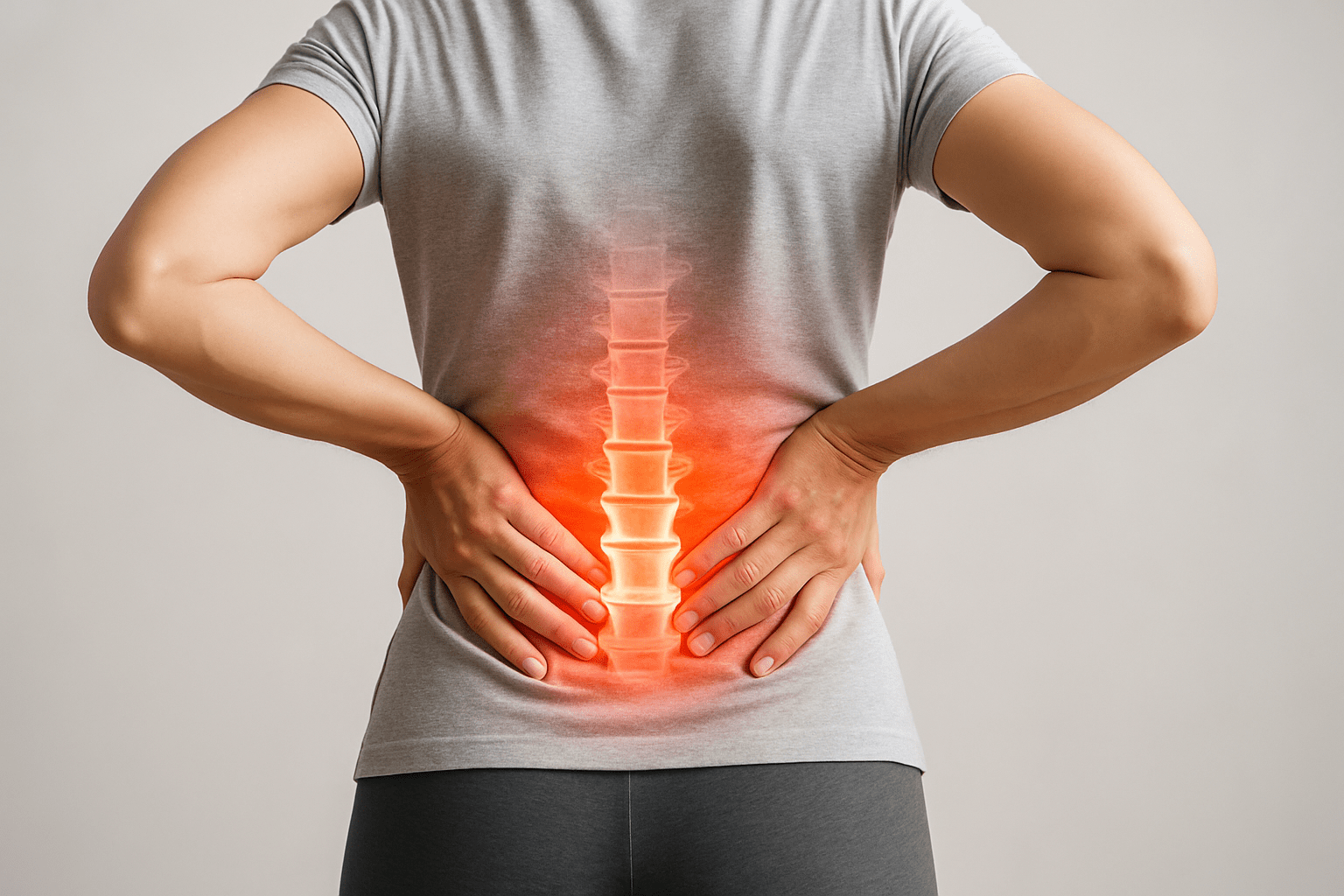
Both large and small muscles and joints are affected, including shoulders, neck, back, and fingers and hands. In other words, almost all areas that can be particularly stressed by daily stress. Knees and hips are also often affected, which limits mobility and can significantly reduce quality of life.
When does muscle pain occur during menopause and how long does it last?
When muscle pain occurs during menopause depends on the individual. They can start at different times and often vary greatly in their duration.
Most women notice the first signs of muscle pain during perimenopause. This is the phase shortly before the last menstrual cycle in which hormonal fluctuations are particularly intense. This pain can occur episodically or manifest as continuous discomfort that lasts for years.
The duration of muscle pain can also vary greatly. In some women, symptoms resolve once menopause is complete, while in others they may persist, particularly if there are underlying chronic conditions such as arthritis or osteoporosis. However, the intensity and frequency of pain can also be influenced by lifestyle factors such as diet, physical activity and stress management.
It is therefore all the more important that affected women listen carefully to their body's signals and take appropriate measures to manage the symptoms and improve their quality of life. But how do you take your well-being into your own hands?
Strategies to combat muscle pain during menopause
The good news: there are several approaches to combat muscle pain during menopause. These range from simple lifestyle adjustments to targeted treatments:
- Sport and sufficient exercise: Regular physical activity strengthens your muscles, promotes flexibility and improves blood circulation. This can help reduce pain and stiffness.
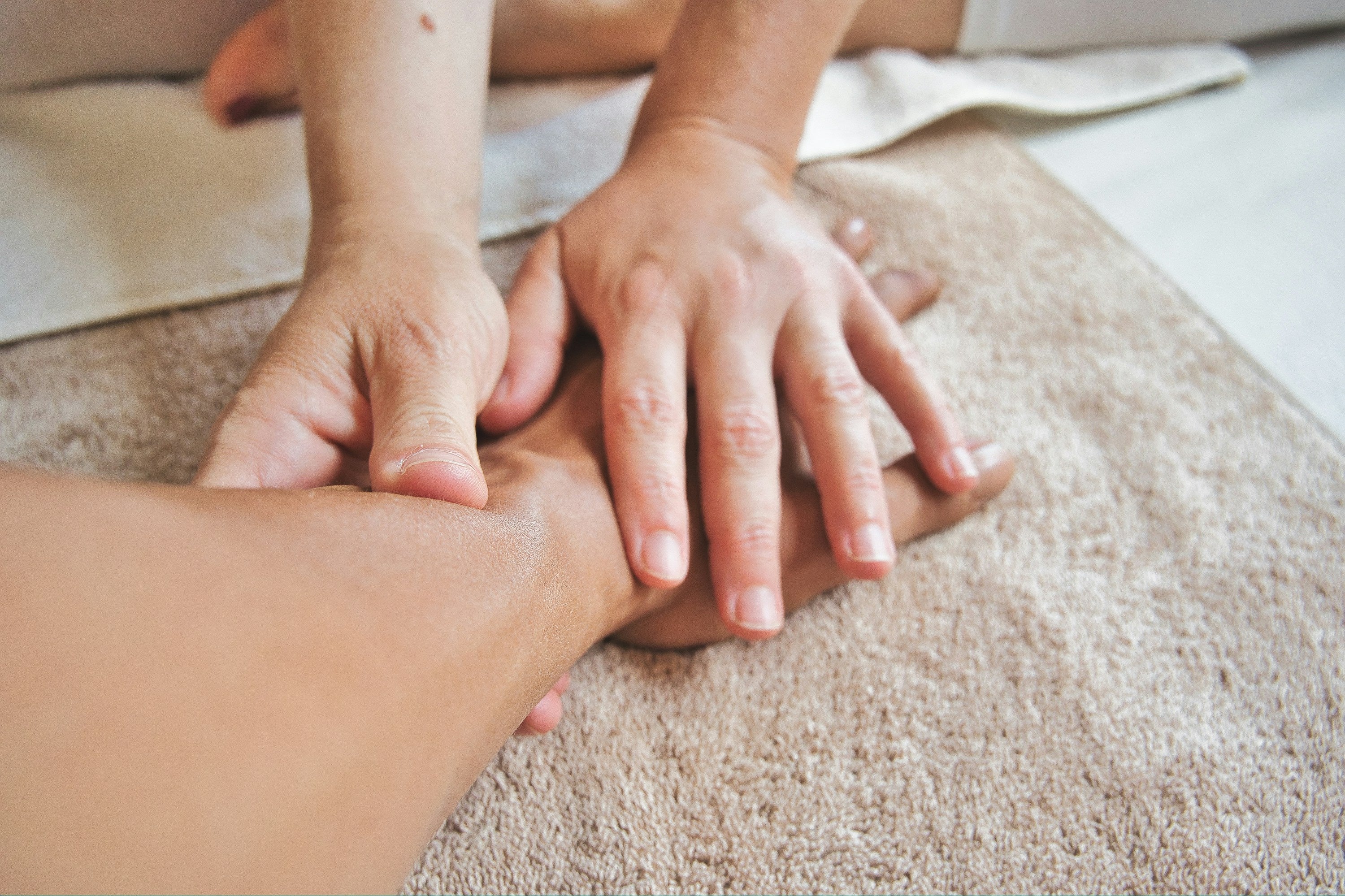
- Massages: Massage therapies can be particularly beneficial for relieving muscle tension and improving your circulation. Techniques such as Swedish massage or gentle lymphatic drainage are ideal for relieving inflammation and improving mobility.
- Sauna and heat treatments: Heat helps relax muscles and relieve pain. Regular sauna visits can also improve general well-being.
- Healthy diet and vitamins: A balanced diet rich in anti-inflammatory foods and essential nutrients naturally also supports muscle health. It can also help reduce inflammation. D vitamins, calcium and magnesium are particularly important for muscle and bone health.
- Stress reduction: Stress can worsen muscle tension and joint pain. Techniques such as meditation, yoga, simple breathing exercises, but also regular massages can help to sustainably reduce stress.
- Acupuncture: This traditional Chinese medicine practice can help relieve pain by stimulating specific points on the body to activate the body's natural pain relief mechanisms.
- Herbal remedies and hormone replacement therapy (HRT): Taking natural dietary supplements can be helpful, but should always be done after consulting a doctor. This also applies to the hormone replacement therapy approach. Please note, however, that hormone replacement therapy can increase the risk of breast cancer, stroke or even heart attack. An individual risk assessment by doctors is essential.
The beneficial effects of massages in particular often have a holistic effect. They address stress levels, blood circulation and muscle tension equally and can therefore make a significant contribution to relief as an accompanying measure.
Combat muscle pain during menopause with the massage chair
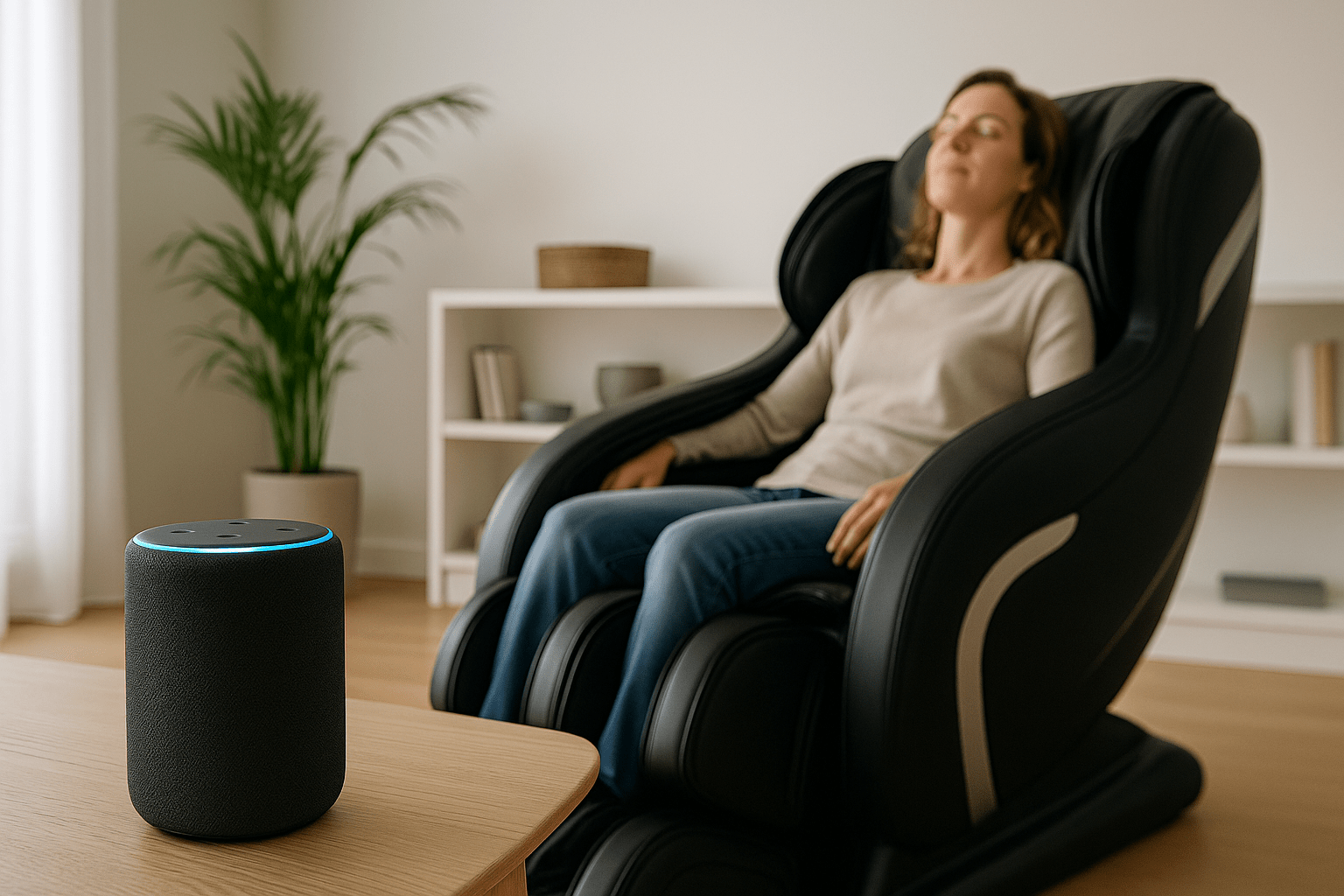
Massage chairs are also an excellent addition to traditional massage methods during menopause. They offer a comfortable, accessible form of relaxation and therapy in your own home.
The functionalities have developed rapidly in recent years, so that many models already enable very individual treatments.
There are a variety of massage chair models that already cover different massage techniques specifically designed to relieve muscle pain, improve blood circulation and promote relaxation. Some massage chairs also offer infrared heat treatment, which is also extremely beneficial for muscle pain caused by menopause.
Reading tip: Are you looking for the right massage chair? With our tips you will make the right choice!
Massage therapy in your own four walls
Modern massage chairs have several advantages because they can be effortlessly integrated into everyday life. Numerous types of massage such as Shiatsu, roller massage, kneading massage and even air pressure massage are already included in many models. This allows targeted pain relief to specific areas of the body.
Another plus point is the high degree of accessibility of a massage chair in your own four walls. This makes short-term and continuous treatment possible, without making an appointment or traveling to and from a practice. If necessary, you can get relaxation at the touch of a button, without the additional stress of organizing the massage. This is a significant relief, especially when it hurts everywhere.
However, what remains essential for both traditional and massage chair use is medical advice. It is always important to clarify in advance what exactly the individual reasons for the muscle pain during menopause are.
Reading tip: We have more information about the medical benefits of massage chairs in the article “Are massage chairs medically useful” summarized.
When should you seek medical advice?
You should definitely consider a visit to the doctor, especially if muscle pain occurs again during menopause, worsens or persists. So watch out for signs like:
- Sudden or very intense pain.
- Symptoms such as fever, unexplained weight loss, or severe redness and swelling that accompany the pain.
- Lack of relief from common home remedies and lifestyle adjustments.
- Negative effects on your sleep quality.
Medical professionals can perform a thorough examination to diagnose the exact cause of the pain and recommend appropriate treatment. This is the only way to ensure that it is tailored to your individual needs and health conditions.
Enjoy the menopause symptom-free with mindfulness and support
There are almost 650 muscles, almost every one of which can be affected by menopausal symptoms, and it's up to you to take care of them all. Modern medicine and various therapeutic approaches now offer numerous options for relieving this pain. The key is to stay active and use supportive therapies such as massages, with massage chairs in particular helping to specifically address the pain at any time within your own four walls.
The basis for all measures is to understand the causes of muscle pain and to choose the appropriate treatment methods based on this. In some cases it may be necessary to seek professional medical help, especially if symptoms persist or are particularly severe - do not hesitate.
Although menopause can be a challenging time, you can get through it right strategies and supportto overcome this phase with fewer symptoms and an improved quality of life.
Cover image: Klara Kulikova, other pictures: Conscious design
Mitgründer und Geschäftsführer der Massagesessel Welt. Mit seinem Expertenwissen und seiner Branchenkenntnis hilft er, Privatpersonen und Unternehmen zu passenden Massagesessels für Entspannung, Gesundheit und Vitalität zu finden. Die individuelle Fachberatung erfolgt sowohl telefonisch oder per Videochat, als auch in der Ausstellung vor den Toren Stuttgarts.