What helps against back pain?
Almost everyone knows back pain. No matter whether they appear suddenly or creep in over a long period of time; they can quickly make everyday life a burden. In fact, around 60-80 percent of people struggle with back pain at least once in their lives. An incredible 26.2 million people in Germany alone received medical treatment for back problems in 2021. At 31.4 percent, this corresponds to almost a third of the population. Back pain is one of the most common complaints. Whether due to incorrect posture, lack of exercise or stress - the causes are diverse and often difficult to...

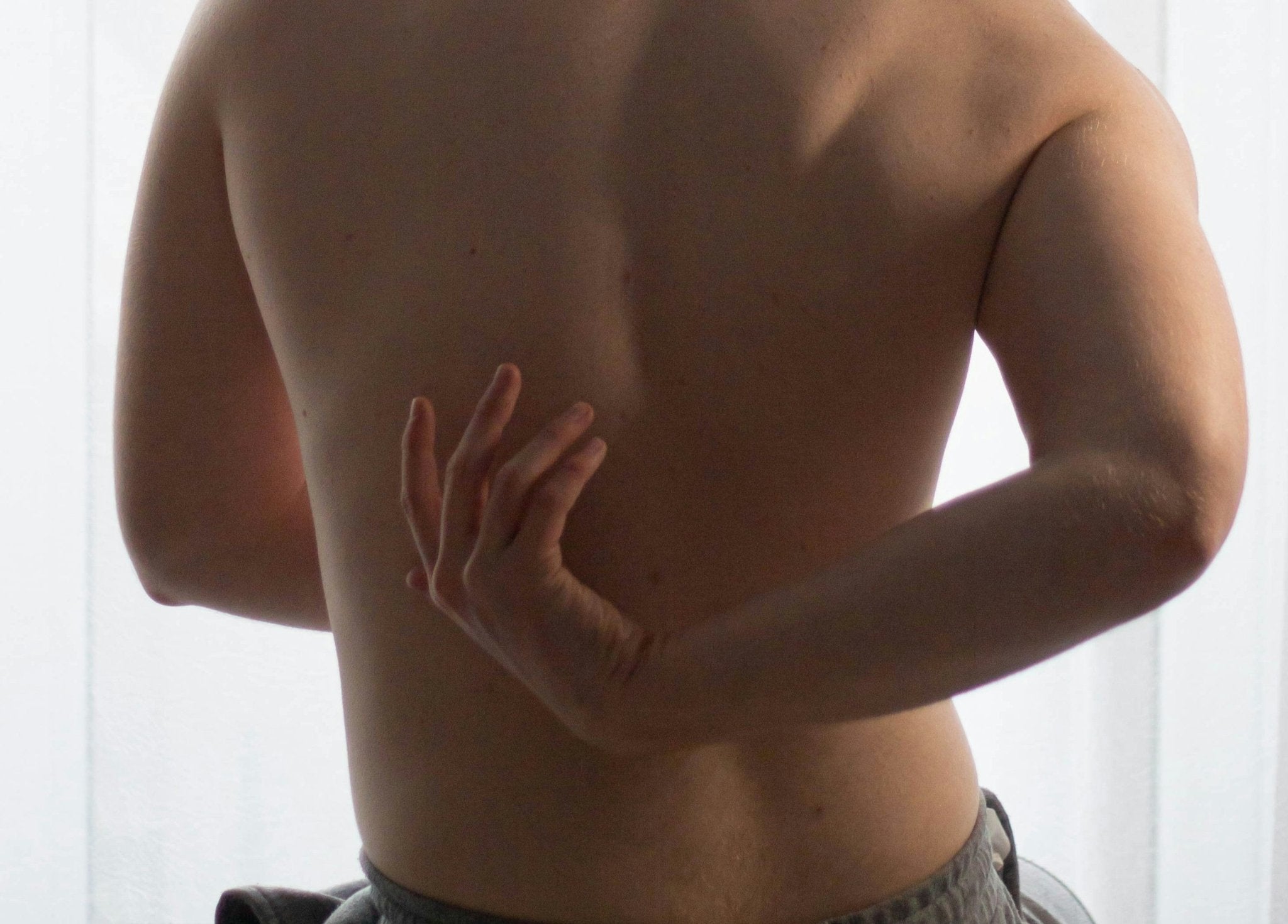
Almost everyone knows back pain. No matter whether they appear suddenly or creep in over a long period of time; they can quickly make everyday life a burden. In fact, around 60-80 percent of people struggle with back pain at least once in their lives.
An incredible 26.2 million people in Germany alone received medical treatment for back problems in 2021. At 31.4 percent, this corresponds to almost a third of the population. Back pain is one of the most common complaints. Whether due to incorrect posture, lack of exercise or stress - the causes are diverse and often difficult to avoid
But why is back pain so widespread, and above all: What helps against back pain? There are many options and exercises to prevent and treat back pain. In this article you will learn more about possible forms and causes and how you can relieve back pain - with massages for back pain, targeted exercises and a simple way to bring relaxation into your home.
Reading tip: In our post „From head to toe: massages can help here“ you will find out everything about the diverse areas of application of massages.
Important note: Even though we tell you what can help against back pain, this article does not replace advice from a doctor. If symptoms persist, please consult a medical professional to discuss any treatment steps that are appropriate for your individual problem.
What is back pain? – Symptoms, forms and causes
Everyone has definitely experienced some form of back pain at least once in his or her life. However, since the back extends over a large part of the body, not all back pain is the same and there are many different symptoms, forms and causes.
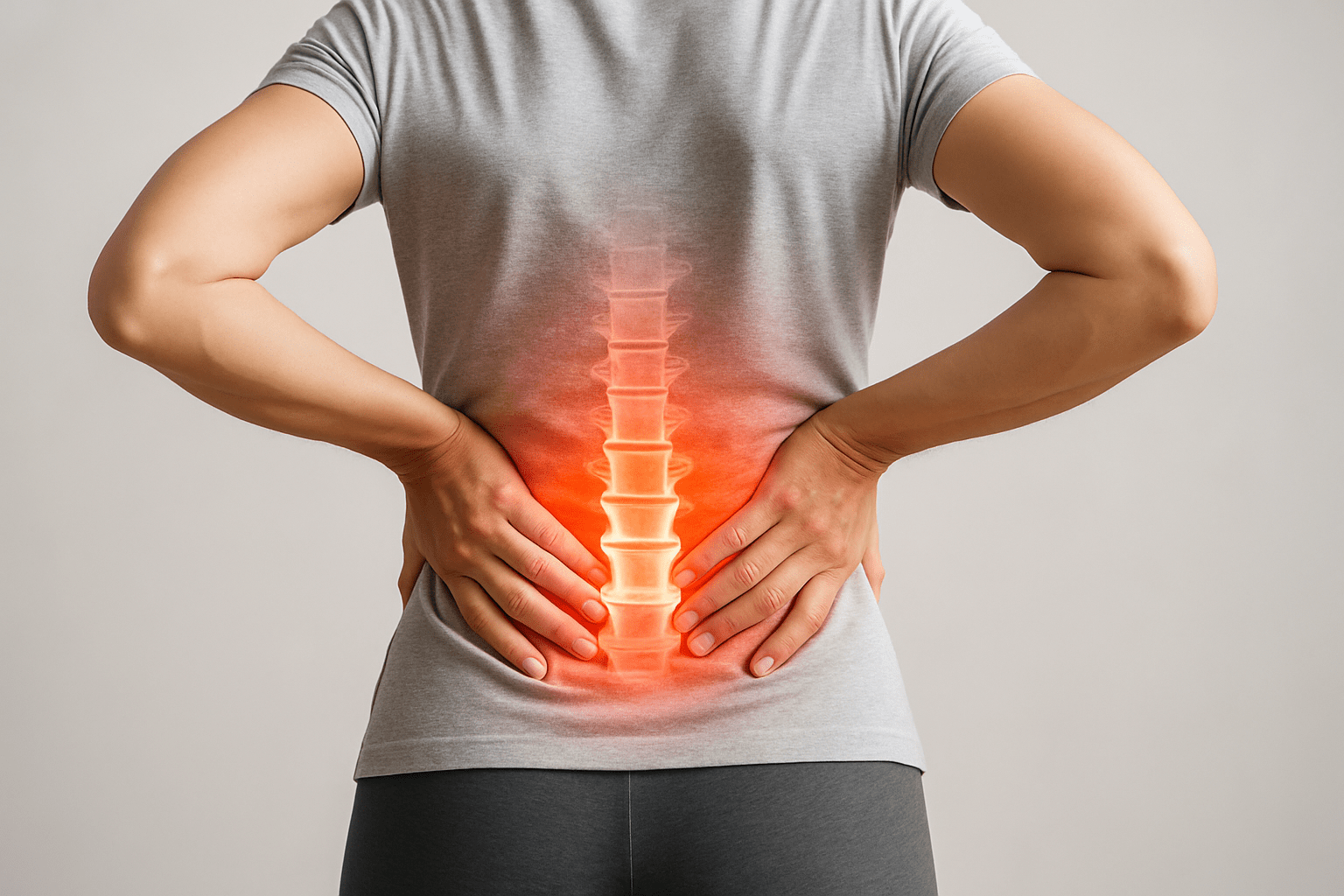
In general, this is pain that occurs in the spine area and can radiate to different parts of the back. They can be acute or chronic and range from mild discomfort to severe, movement-limiting pain.
In Germany, back pain is one of the most common causes of visits to the doctor and inability to work. The triggers are varied, including muscle tension, intervertebral disc problems, injuries or poor posture. In order to know what helps against back pain, you should define your own pain.
Reading tip: Learn through Pain managementhow to systematically deal with your pain.
Back pain: Symptoms are varied
The symptoms of back pain can be as diverse as their causes. People who suffer from back pain most often cite the following symptoms:
- Pain that worsens with movement
- Stiffness and limited mobility
- Muscle tension
- Pain radiating to the legs or arms
- Tingling or numbness
These symptoms can vary in intensity from mild to severe and can occur suddenly but also develop gradually. Direct effects on surrounding areas are also possible. Therefore, possible consequences of back pain can be uneven wear and tear on joints or unfavorable strain on nerves. This in turn can cause subsequent damage and further pain.
Back pain: Possible forms
Differentiating between symptoms and types of back pain helps medical staff identify causes more quickly and take appropriate measures. But it is also helpful for you to understand and narrow down what type of back pain you have.
Back pain often occurs in the following forms:
- Acute back pain: They appear suddenly and last less than six weeks.
- Chronic back pain: Chronic is when the pain lasts longer than twelve weeks.
- Specific back pain: These have a clearly identifiable cause, such as a slipped disc or a fracture.
- Non-specific back pain: There is no clear cause here; they are often caused by everyday poor posture or muscle tension.
Each form of back pain requires an individual approach to diagnosis and treatment. Since back pain occurs very often, it is advisable to take good care of your own back in advance. Particularly against non-specific back pain, you can do good preventative work through mindfulness and initiative in the form of movements, massages for back pain and nutrition.
Back pain: These can be causes
A look at the causes of this condition reveals that precisely these preventive measures and an active and healthy lifestyle could avoid a lot.
Possible causes of back pain include:
- Muscle tension, poor posture and lack of exercise are the most common causes, often caused by sitting for long periods of time or lifting incorrectly.
- Disc problems: Herniated or degenerated discs can cause severe pain.
- Injuries and overloads: Sports injuries, accidents or overuse can cause back pain.
- Diseases of the spine: Diseases such as scoliosis or osteoporosis affect back health.
- Psychological factors: Stress, anxiety and depression can promote or worsen back pain.
Stress, poor posture and long-term unresolved tension are often due to our living conditions. While you can take action yourself with some measures, the other causes definitely require medical expertise and support.
What helps against back pain? Tips for pain relief

On the one hand, it helps to carry out movements mindfully in everyday life, but on the other hand, a self-care routine is essential in order to combat known causes such as stress and tension in advance.
To relieve and prevent back pain, the following exercises and aids can help:
- Lifting and carrying: Proper lifting and carrying is crucial. Bend your knees, keep your back straight and lift from your legs, not your back.
- Heat: Heat applications such as heating pads or warm baths relax the muscles and relieve pain. Some massage chairs also already offer this soothing treatment.
- Step storage: Lie on your back and place your legs at right angles on a chair. This position relieves the strain on the spine and you can practice it every now and then during the day.
- Exercise and sport: Regular exercise and special back exercises strengthen the back muscles. Integrate exercise into your everyday life, e.g. through walks or short breaks in the office.
Reading tip: In working life and especially in the home office, it is important to pay attention to your body. Find out how to get through proper breaks and massages work effectively.
- Massages: Massages loosen tense muscles and promote blood circulation. They can be used regularly or for acute complaints. Anything that feels good is permitted. If the pain gets worse, the same applies here: medical advice is needed.
- Physiotherapy: A physical therapist can recommend targeted exercises and treatments to relieve back pain. Your physical therapist can also help you mobilize your back through manual therapy.
- Psychological relief: Reducing stress through relaxation techniques such as yoga or meditation can have a positive effect on back pain.
- The right mattress: A good mattress supports the spine and ensures a restful night's sleep that promotes regeneration and healing.
- Ergonomics in the workplace: Make sure your workplace is set up ergonomically to avoid poor posture.
Reading tip: Desk work doesn't have to lead to back pain. Learn how you do Declare war on desk tension.
Acute back pain: simple exercises that help
If it does happen and you experience acute back pain, simple exercises can quickly provide relief. We have summarized some exercises for you on the most common acute causes of pain. You can do this regularly at home or even in acute cases.
Lumbago
It is no coincidence that lumbago has this expressive name. Lumbago occurs suddenly and is manifested by a lightning-like stabbing pain in the lower back. This type of back pain is common: around 80 percent of all people experience lumbago at least once in their life.
What helps against back pain caused by lumbago:
- The bridge: Lie on your back, place your feet on the floor and slowly lift your pelvis. Hold the position for a few seconds and lower your pelvis again. This primarily strengthens the lower back muscles.
- Knee to chest: Lie flat on your back, pull one knee toward your chest and hold it with both hands. Switch legs after a few seconds. This exercise also strengthens mobility in the lower back area.
- Cat hump and horseback: Get on all fours and alternate between a cat's back (back up) and a horse's back (back down). This exercise is also called cat-cow in yoga and ensures more flexibility in the spine by bending and stretching.
Sciatica pain
One of the most notorious pains that radiate from the lower back down the leg is sciatica pain. This type of back pain is also common and causes the muscles in the spinal area to spasm.
What helps against back pain when the sciatic nerve is tense:
- Knee stretch: Lie on your back, bend one knee and gently pull it toward your chest. Hold the position for 20 seconds and then switch legs. This exercise also has a relief for sciatica symptoms.
- Piriformis stretch: Sit on the floor, place one leg over the other and turn your upper body to the side of the bent leg. Hold for 20 seconds. The intensive stretching, in which muscles are relaxed, relieves pressure on the sciatic nerve.
- Hamstring stretch: Stand upright, place one leg on an elevated surface and gently bend forward until you feel a stretch. Hold for 20 seconds. This not only stretches your leg muscles, but also relieves the strain on your lower back.
Tension in the upper back
This type of back pain is characterized by a sharp pain and stiffness in the upper back area.
What helps against back pain when there is tension in the upper back:
- Squeeze your shoulder blades: Sit upright and squeeze your shoulder blades together. Hold the position for 5 seconds and relax.
- Neck stretch: Tilt your head to the side until you feel a stretch in your neck. Hold for 20 seconds and switch sides.
- Extend your arms: Stretch both arms forward and pull your shoulder blades apart. Hold for 10 seconds and relax.
Such gentle exercises can promote blood circulation in acute back pain and help relieve muscle tension. Physical activity also leads to the release of endorphins, the body's natural painkillers, which can reduce the perception of pain.
The measures are particularly suitable for non-specific back pain that occurs due to poor posture or tension. This is exactly the reason why massages can also contribute to relief.
What helps against back pain: Massages with a massage chair
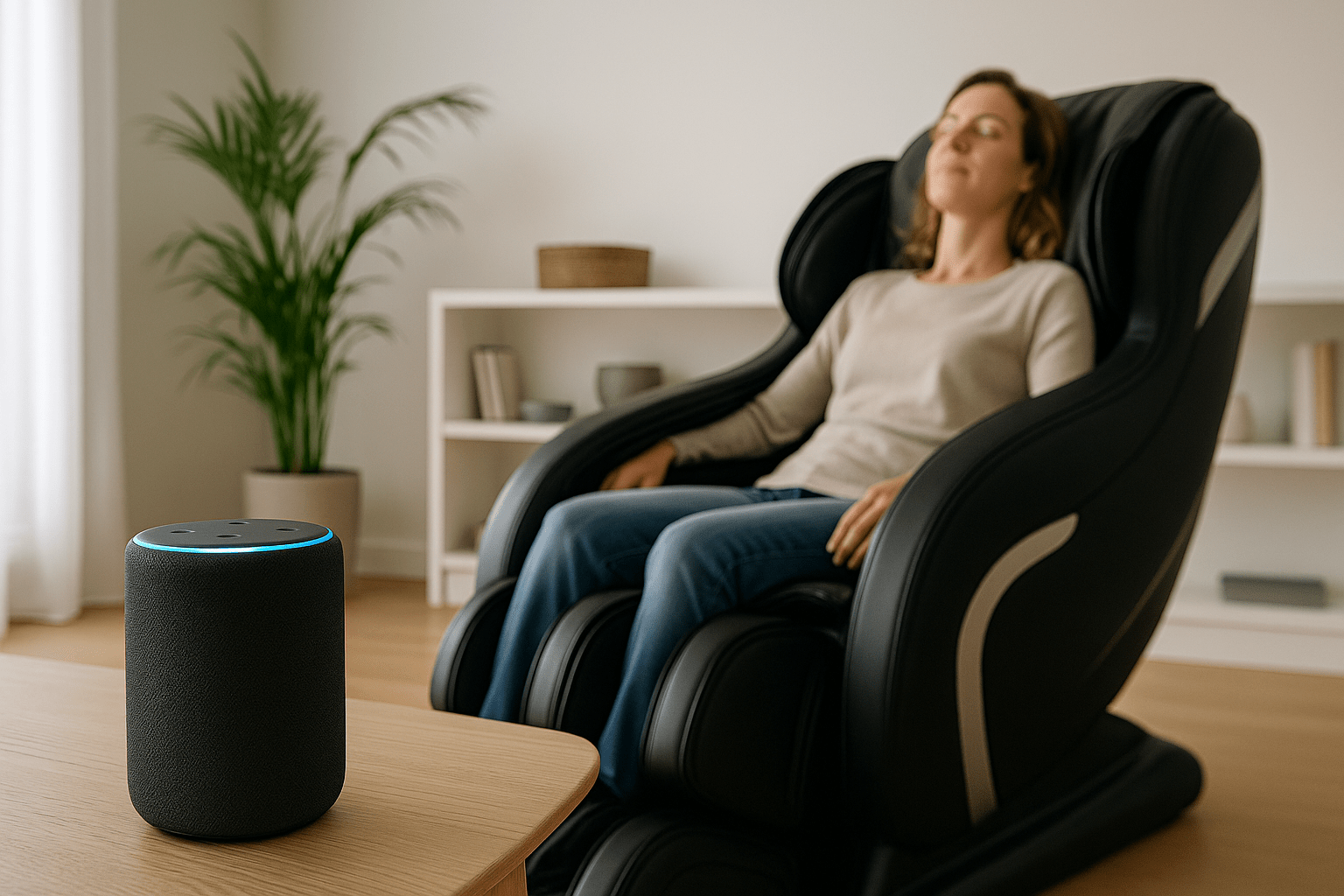
If you are plagued by back pain, a spontaneous massage tailored to your needs will certainly sound like a real treat. Massage chairs offer you exactly this comfortable option to relieve your back pain.
Through different massage programs and intensities, a massage chair can specifically relieve your tension and promote blood circulation. From infrared heat treatments to a wide variety of massage techniques, you can choose your preferred program at the touch of a button. Regular use can help you reduce acute and chronic pain, but also help improve your mobility in the long term.
Massage chairs can be both a complement to an active lifestyle and an oasis to reduce stress in everyday life. This means they fit in perfectly with a range of classic forms of treatment for back pain.
What to do if you have back pain: When should I see a doctor?
It is not always possible to relieve pain through stretching or massage. Some conditions are based on a specific illness that requires medical clarification. If you have persistent or very severe back pain, you should also see a doctor. A medical examination is particularly necessary if additional symptoms such as fever, unexplained weight loss or numbness occur.
Only a doctor can determine the exact cause and recommend appropriate treatment to avoid long-term damage. If you are not sure which doctor is the right contact for your back pain, contact your family doctor. Alternatively, you can visit specialists in orthopedics, physical medicine and general rehabilitation to have your back pain examined.
If you are prescribed physiotherapy for your back pain, a back center is the right place for you, where physiotherapists who specialize in back pain will treat you.
Against back pain: Don't accept the pain, manage it!
Those affected know that back pain can have a significant impact on life, but there are many ways to counteract it. From proper movement and ergonomics to massage for back pain and special exercises - everyone can do something to strengthen their back and prevent pain or relieve it when it is acute.
Always remember that a healthy lifestyle and preventive measures are the best defense against back pain. This can significantly reduce your chances of being one of the third of the population suffering from back pain. By being proactive, you can relieve the strain on your back and manage the pain.
Cover image: Adrian “Rosco” Stef, other images: Toa Heftiba
Mitgründer und Geschäftsführer der Massagesessel Welt. Mit seinem Expertenwissen und seiner Branchenkenntnis hilft er, Privatpersonen und Unternehmen zu passenden Massagesessels für Entspannung, Gesundheit und Vitalität zu finden. Die individuelle Fachberatung erfolgt sowohl telefonisch oder per Videochat, als auch in der Ausstellung vor den Toren Stuttgarts.